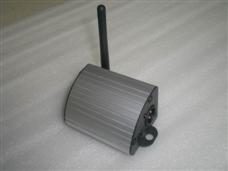
Wireless DMX systems are becoming increasingly popular in the entertainment industry due to their convenience and flexibility. However, they can be prone to latency and dropouts, which can affect the performance of the show. As a professional buyer, it is essential to understand the limitations and considerations of wireless DMX systems to make an informed decision.
The short answer
The RG-CTCWILDR-RS wireless remote control has a latency of less than 1 ms and a maximum distance of 500 meters in an open area, making it a reliable option for wireless DMX transmission.
What is wireless DMX and how does it work?
Wireless DMX is a technology that allows for the transmission of DMX signals wirelessly, eliminating the need for cables. It uses radio frequencies to transmit the signals, which are then received by a receiver and converted back into a DMX signal. Wireless DMX systems typically consist of a transmitter, a receiver, and an antenna.
What are the benefits of using wireless DMX?
The benefits of using wireless DMX include increased flexibility, convenience, and reduced cable clutter. Wireless DMX systems are ideal for applications where cables are not feasible or would be a hindrance, such as in outdoor events or in venues with complex layouts.
What are the limitations of wireless DMX?
The limitations of wireless DMX include latency, dropouts, and interference. Latency refers to the delay between the transmission and reception of the signal, while dropouts refer to the loss of signal. Interference can be caused by other devices or systems operating on the same frequency.
How do I choose the right wireless DMX system for my application?
To choose the right wireless DMX system for your application, you need to consider the distance between the transmitter and receiver, the environment, and the number of devices being controlled. You should also consider the latency and dropout specifications of the system, as well as the antenna type and gain.
What is the typical latency for wireless DMX systems?
The typical latency for wireless DMX systems is around 1-2 ms, but it can vary depending on the system and environment. For example, the RG-CTCWILDR-RS wireless remote control has a latency of less than 1 ms.
How do I minimize dropouts in my wireless DMX system?
To minimize dropouts in your wireless DMX system, ensure that the transmitter and receiver are in line of sight, reduce interference from other devices, and use a high-quality antenna. You can also use a wireless DMX system with a high gain antenna, such as the RG-CTCWILDR-RS.
When should I use a wired DMX connection instead of wireless?
You should use a wired DMX connection instead of wireless when the distance between the controller and the fixture is short, or when the environment is prone to interference. Wired connections are also more reliable and less prone to dropouts.
What is the maximum distance for wireless DMX transmission?
The maximum distance for wireless DMX transmission varies depending on the system and environment, but it can range from 100 to 500 meters. For example, the RG-CTCWILDR-RS wireless remote control has a maximum distance of 500 meters in an open area.
Can I use multiple wireless DMX transmitters in the same system?
Yes, you can use multiple wireless DMX transmitters in the same system, but you need to ensure that they are set to different frequencies or channels to avoid interference. You can also use a wireless DMX system with multiple transmitters and receivers, such as the RG-CTCWILDR-RS.
How do I configure my wireless DMX system for optimal performance?
To configure your wireless DMX system for optimal performance, you need to set the transmitter and receiver to the same frequency or channel, and adjust the antenna for optimal gain. You should also ensure that the system is properly powered and that the devices are properly connected.
What are the different types of wireless DMX systems available?
There are several types of wireless DMX systems available, including 2.4 GHz and 5 GHz systems. The 2.4 GHz systems are more common and offer a longer range, while the 5 GHz systems offer a faster data transfer rate.
How do I troubleshoot my wireless DMX system?
To troubleshoot your wireless DMX system, you need to check the connections, ensure that the transmitter and receiver are set to the same frequency or channel, and adjust the antenna for optimal gain. You should also check for interference from other devices or systems.
What are the future developments in wireless DMX technology?
The future developments in wireless DMX technology include the use of newer frequencies, such as 5 GHz, and the development of more advanced antenna systems. There is also a trend towards more compact and portable wireless DMX systems, such as the RG-CTCWILDR-RS.
How do I choose between the RG-CTCWILDR-RS and the RG-CTCWIXLR-RS wireless remote controls?
To choose between the RG-CTCWILDR-RS and the RG-CTCWIXLR-RS wireless remote controls, you need to consider the distance between the transmitter and receiver, the environment, and the number of devices being controlled. The RG-CTCWILDR-RS has a longer range and a higher gain antenna, while the RG-CTCWIXLR-RS is more compact and portable.
| Model | Configuration | EXW Price |
|---|---|---|
| RG-CTCWILDR-RS | 2.4G wireless DMX512 transceiver | $41 |
| RG-CTCWIXLR-RS | 2.4G wireless DMX512 transceiver | $26 |
You can find more information about the RG-CTCWILDR-RS and the RG-CTCWIXLR-RS wireless remote controls on our website: RG-CTCWILDR-RS and RG-CTCWIXLR-RS.
Next, contact us to discuss your wireless DMX needs and determine the best solution for your application.
How do I calculate the maximum number of wireless DMX transmitters I can use in my system?
When choosing a wireless DMX system, it's essential to consider the number of transmitters you can use without compromising the system's performance. The maximum number of transmitters depends on the system's frequency band and the distance between the transmitters. For example, the RG-CTCWILDR-RS wireless remote control operates on the 2.4G ISM frequency band, which allows for up to 126 channels. However, if you're using multiple transmitters in the same system, you'll need to consider the potential for interference and channel overlap. A good rule of thumb is to use no more than 10-15 transmitters in a single system to avoid interference and ensure reliable communication. By calculating the maximum number of transmitters you can use, you can ensure that your wireless DMX system operates smoothly and efficiently.
What are the differences between the RG-CTCWILDR-RS and the FG-W3P7PX1L80H22-KDp signal cable?
The RG-CTCWILDR-RS wireless remote control and the FG-W3P7PX1L80H22-KDp signal cable are two separate products that serve different purposes in a wireless DMX system. The RG-CTCWILDR-RS is a wireless DMX512 transceiver that allows for wireless communication between the controller and the fixtures, while the FG-W3P7PX1L80H22-KDp is a signal cable used to connect the wireless DMX transceiver to the fixtures. The FG-W3P7PX1L80H22-KDp signal cable is designed to transmit the DMX signal from the wireless DMX transceiver to the fixtures, while the RG-CTCWILDR-RS wireless remote control is responsible for transmitting the DMX signal wirelessly. By using the correct signal cable, you can ensure that your wireless DMX system operates correctly and that the DMX signal is transmitted reliably to the fixtures.
What the catalogue actually charges for these
| Model | Configuration | EXW |
|---|---|---|
| RG-CTCWILDR-RS | 2.4G wireless DMX512 transceiver | US$41 |
| Model | Configuration | EXW |
|---|---|---|
| RG-CTCWIXLR-RS | 2.4G wireless DMX512 transceiver | US$26 |
Where to compare the models mentioned above
The two catalogue pages that carry the configurations in these tables are RG-PDS28S10IA-V25 and RG-FR650H5S-K. Open each one for the full spec list, the volume tiers and the current EXW price.
Frequently Asked Questions
What is the typical latency for wireless DMX systems?
The typical latency for wireless DMX systems is around 1-2 ms, but it can vary depending on the system and environment. For example, the RG-CTCWILDR-RS wireless remote control has a latency of less than 1 ms.
How do I minimize dropouts in my wireless DMX system?
To minimize dropouts in your wireless DMX system, ensure that the transmitter and receiver are in line of sight, reduce interference from other devices, and use a high-quality antenna. You can also use a wireless DMX system with a high gain antenna, such as the RG-CTCWILDR-RS.
When should I use a wired DMX connection instead of wireless?
You should use a wired DMX connection instead of wireless when the distance between the controller and the fixture is short, or when the environment is prone to interference. Wired connections are also more reliable and less prone to dropouts.
What is the maximum distance for wireless DMX transmission?
The maximum distance for wireless DMX transmission varies depending on the system and environment, but it can range from 100 to 500 meters. For example, the RG-CTCWILDR-RS wireless remote control has a maximum distance of 500 meters in an open area.
Can I use multiple wireless DMX transmitters in the same system?
Yes, you can use multiple wireless DMX transmitters in the same system, but you need to ensure that they are set to different frequencies or channels to avoid interference. You can also use a wireless DMX system with multiple transmitters and receivers, such as the RG-CTCWILDR-RS.
Need help choosing fixtures for your project? Tell us the venue type and room size — we'll spec it for free.
Request a Free Rig Spec →