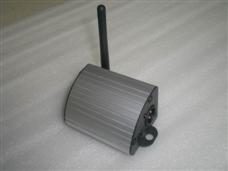
Wireless DMX systems are becoming increasingly popular in the entertainment industry due to their convenience and flexibility. However, they can also be prone to latency and dropouts, which can be frustrating and disrupt the performance. Professional buyers, such as rental houses, touring productions, and event companies, need to understand the limitations and advantages of wireless DMX systems to make informed decisions.
The short answer
The RG-CTCWILDR-RS wireless remote control, priced at $41, offers a reliable wireless DMX solution with a latency of less than 1 ms and a transmission range of up to 500M.
What is wireless DMX and how does it work?
Wireless DMX is a technology that allows for the transmission of DMX signals over a wireless connection, eliminating the need for cables. It works by using a transmitter to send the DMX signal to a receiver, which then converts the signal back into a wired DMX connection. This technology is useful for applications where cables are not feasible or would be a hindrance.
What are the advantages of wireless DMX?
The main advantage of wireless DMX is its convenience and flexibility. It allows for easier setup and teardown, and eliminates the need for cables, which can be bulky and heavy. Wireless DMX also provides more freedom to move lights and other devices around the venue without being restricted by cables.
What are the limitations of wireless DMX?
One of the main limitations of wireless DMX is its susceptibility to interference and dropouts. This can be caused by other devices in the vicinity, such as wireless microphones or cell phones, or by physical barriers, such as walls or pillars. Additionally, wireless DMX systems can be affected by latency, which can cause delays in the transmission of the DMX signal.
How can I minimize latency in my wireless DMX system?
To minimize latency, it's essential to use a reliable wireless DMX system with a high transmission power and a sensitive receiver. The RG-CTCWILDR-RS wireless remote control, for example, has a transmission power of 20dBm and a receiver sensitivity of 94dBm. It's also important to keep the transmitter and receiver in close proximity and to avoid interference from other devices.
What is the typical range of wireless DMX systems?
The typical range of wireless DMX systems can vary depending on the system and environment. The RG-CTCWILDR-RS wireless remote control, for example, has a transmission range of up to 500M in an open area. However, this range can be reduced by physical barriers or interference from other devices.
How do I choose the right wireless DMX system for my application?
To choose the right wireless DMX system, consider the size of your venue, the number of devices you need to control, and the level of reliability and precision you require. You should also consider the frequency range, transmission power, and receiver sensitivity of the system. It's also essential to read reviews and consult with experts to find the best system for your specific needs.
What are the different types of wireless DMX systems available?
There are several types of wireless DMX systems available, including 2.4G wireless DMX systems, such as the RG-CTCWILDR-RS, and 5G wireless DMX systems. Each type has its own advantages and disadvantages, and the choice of system will depend on the specific requirements of the application.
Can I use wireless DMX with other lighting protocols?
Yes, some wireless DMX systems can be used with other lighting protocols, such as Art-Net or sACN. However, it's essential to check the compatibility of the system before purchasing. The RG-CTCWILDR-RS wireless remote control, for example, supports DMX512 and can be used with other protocols with the use of a converter.
How do I troubleshoot my wireless DMX system?
To troubleshoot your wireless DMX system, check the transmitter and receiver for any signs of damage or interference. Make sure that the system is properly configured and that the transmitter and receiver are in close proximity. You can also try moving the transmitter and receiver to different locations to see if the problem persists.
What are the benefits of using a wired DMX connection?
Wired DMX connections are more reliable and stable than wireless DMX systems, and are less susceptible to interference and dropouts. They are also more suitable for applications that require a high level of precision and control, such as in theater or concert lighting.
When should I use a wired DMX connection instead of wireless?
You should use a wired DMX connection when you need a reliable and stable connection, such as in a large-scale production or in an environment with high interference. Wired DMX connections are also more suitable for applications that require a high level of precision and control, such as in theater or concert lighting.
| Model | Configuration | EXW Price |
|---|---|---|
| RG-CTCWILDR-RS | 2.4G wireless DMX transceiver | $41 |
| RG-CTCWIXLR-RS | 2.4G wireless DMX transceiver | $26 |
To learn more about the RG-CTCWILDR-RS wireless remote control, visit RG-CTCWILDR-RS. For more information on the RG-TB140S28D-f60 Outdoor 360 degree emitting pixel light tube, visit RG-TB140S28D-f60.
Next, contact us to discuss your specific wireless DMX needs and to find the best solution for your application.
What are the potential pitfalls of using wireless DMX in a high-interference environment?
When using wireless DMX in a high-interference environment, such as a crowded festival or a large conference center, the potential pitfalls include signal dropouts and latency issues. This is because the wireless signal can be easily disrupted by other devices, such as cell phones, microwaves, and other wireless devices. As a result, the DMX signal may be delayed or lost altogether, causing the lights to malfunction or behave erratically. To mitigate this issue, it's essential to choose a wireless DMX system with a high level of interference rejection and to position the transceivers in a way that minimizes interference from other devices. Additionally, using a wired DMX connection for critical lighting systems can help ensure reliable and consistent performance.
How do I determine the optimal number of wireless DMX transceivers for my application?
To determine the optimal number of wireless DMX transceivers for your application, you'll need to consider the size of the area you're covering, the number of devices you're controlling, and the level of interference you're expecting. A good rule of thumb is to use one transceiver for every 100-200 square feet of coverage area. However, this can vary depending on the specific requirements of your application. For example, if you're using a high-power wireless DMX system, you may be able to cover a larger area with fewer transceivers. On the other hand, if you're using a low-power system in a high-interference environment, you may need to use more transceivers to ensure reliable coverage.
What the catalogue actually charges for these
| Model | Configuration | EXW |
|---|---|---|
| RG-CTCWILDR-RS | 3PIN male plug | US$41 |
| RG-CTCWIXLR-RS | 3PIN male plug | US$26 |
| FG-W3PE3L100H13-KDp | 3*2.5㎡ 100CM | US$3 |
| FG-W3P7PX1L80H22-KDp | 3*0.3㎡ 80CM | US$2 |
| Model | Configuration | EXW |
|---|---|---|
| RG-CTCWILDR-RS | 3PIN male plug | US$41 |
| RG-CTCWIXLR-RS | 3PIN male plug | US$26 |
Where to compare the models mentioned above
The two catalogue pages that carry the configurations in these tables are RG-FR650H5S-K and RG-TB140S28D-f60. Open each one for the full spec list, the volume tiers and the current EXW price.
Frequently Asked Questions
What is the typical latency of wireless DMX systems?
The typical latency of wireless DMX systems is around 1-2 ms, but it can vary depending on the system and environment. For example, the RG-CTCWILDR-RS wireless remote control has a latency of less than 1 ms.
How can I minimize dropouts in my wireless DMX system?
To minimize dropouts, make sure to use a reliable wireless DMX system, keep the transmitter and receiver in close proximity, and avoid interference from other devices. You can also use a wireless DMX system with a high gain antenna, such as the RG-CTCWILDR-RS.
When should I use a wired DMX connection instead of wireless?
You should use a wired DMX connection when you need a reliable and stable connection, such as in a large-scale production or in an environment with high interference. Wired DMX connections are also more suitable for applications that require a high level of precision and control, such as in theater or concert lighting.
Can I use wireless DMX with other lighting protocols?
Yes, some wireless DMX systems can be used with other lighting protocols, such as Art-Net or sACN. However, it's essential to check the compatibility of the system before purchasing. The RG-CTCWILDR-RS wireless remote control, for example, supports DMX512 and can be used with other protocols with the use of a converter.
How do I choose the right wireless DMX system for my application?
To choose the right wireless DMX system, consider the size of your venue, the number of devices you need to control, and the level of reliability and precision you require. You should also consider the frequency range, transmission power, and receiver sensitivity of the system. It's also essential to read reviews and consult with experts to find the best system for your specific needs.
Need help choosing fixtures for your project? Tell us the venue type and room size — we'll spec it for free.
Request a Free Rig Spec →