Cold-start behaviour is a critical consideration for technicians working with LED fixtures, particularly in outdoor or cold-weather applications. As temperatures drop, LED fixtures can experience a reduction in performance, leading to decreased brightness and slower response times. This can have a significant impact on the overall lighting design and require adjustments to be made to compensate for the reduced output.
The short answer
The 300W LED Panel light, priced at USD 205, can experience derating in winter due to cold-start behaviour, with its effective lighting distance reduced from 8 meters.
What is cold-start behaviour?
Cold-start behaviour refers to the reduced performance of LED fixtures in low temperatures, typically below 0°C. This can result in decreased brightness, slower response times, and reduced overall efficiency. The RG-P58TC10-Ke18A, a 4leds 50W 200w Cold-warm 2in1 white zoom led par light, is an example of a fixture that may be affected by cold-start behaviour.
How does cold-start behaviour affect LED fixtures?
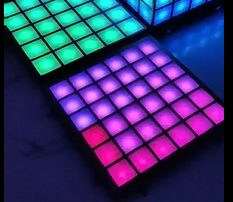
Cold-start behaviour can cause LED fixtures to derate, meaning they produce less light than their rated output. This can impact the overall lighting design and require adjustments to be made to compensate for the reduced output. For example, the RG-PDS28S100IA-V25, a LED plane square magic light, may require additional units to achieve the desired level of brightness in cold temperatures.
What can be done to plan a show around cold-start behaviour?
To plan a show around cold-start behaviour, technicians can take steps such as using fixtures with built-in temperature compensation, increasing the number of fixtures used, or adjusting the lighting design to account for the reduced output. The RG-FR750H5-D8, a moving head cold spark machine, is an example of a fixture that can be used to add visual interest to a show while minimizing the impact of cold-start behaviour.
How do I determine the right size and configuration for my LED fixtures?
To determine the right size and configuration for LED fixtures, technicians should consider factors such as the desired level of brightness, the distance between fixtures, and the ambient temperature. The following table provides a comparison of different LED fixtures and their specifications:
| Model | Power | Voltage | Effective Lighting Distance |
|---|---|---|---|
| 300W LED Panel light | 450W | AC110-240V | 8 meters |
| RG-P58TC10-Ke18A | 200w | AC 100-240V | - |
| RG-PDS28S100IA-V25 | 45W | 24V | - |
What are the key considerations when choosing an LED fixture for outdoor use?
When choosing an LED fixture for outdoor use, technicians should consider factors such as the fixture's operating temperature range, its resistance to moisture and dust, and its ability to withstand extreme weather conditions. The RG-P58TC10-Ke18A, with its IP65 rating, is an example of a fixture that is suitable for outdoor use.
How do I adjust my lighting design to account for cold-start behaviour?
To adjust a lighting design to account for cold-start behaviour, technicians can use software to simulate the reduced output of the LED fixtures and make adjustments accordingly. The RG-PDS28S100IA-V25 and RG-P58TC10-Ke18A are examples of fixtures that can be used in a lighting design to account for cold-start behaviour.
What are the benefits of using LED fixtures with built-in temperature compensation?
LED fixtures with built-in temperature compensation can provide a number of benefits, including increased efficiency, improved reliability, and reduced maintenance. The RG-FR750H5-D8, with its built-in temperature compensation, is an example of a fixture that can provide these benefits.
How do I troubleshoot issues with my LED fixtures in cold temperatures?
To troubleshoot issues with LED fixtures in cold temperatures, technicians should first check the fixture's operating temperature range and ensure that it is within the specified range. The following table provides a comparison of different LED fixtures and their operating temperature ranges:
| Model | Operating Temperature Range |
|---|---|
| 300W LED Panel light | -20°C to 40°C |
| RG-P58TC10-Ke18A | -20°C to 40°C |
| RG-PDS28S100IA-V25 | -20°C to 40°C |
What are the implications of cold-start behaviour for LED fixture maintenance?
Cold-start behaviour can have implications for LED fixture maintenance, as reduced output and increased wear and tear can result in a shorter lifespan for the fixture. Regular maintenance, such as cleaning and inspecting the fixture, can help to minimize the impact of cold-start behaviour.
How can I minimize the impact of cold-start behaviour on my LED fixtures?
To minimize the impact of cold-start behaviour on LED fixtures, technicians can take steps such as using fixtures with built-in temperature compensation, increasing the number of fixtures used, or adjusting the lighting design to account for the reduced output. The RG-EL0001FL-3e844, a 7 Halo Hexagon LED Pixel Light, is an example of a fixture that can be used to minimize the impact of cold-start behaviour.
Next, review the specifications for your LED fixtures and adjust your lighting design accordingly to account for cold-start behaviour.
Frequently Asked Questions
What is cold-start behaviour in LED fixtures?
Cold-start behaviour refers to the reduced performance of LED fixtures in low temperatures, typically below 0°C. This can result in decreased brightness, slower response times, and reduced overall efficiency.
How does cold-start behaviour affect LED fixtures?
Cold-start behaviour can cause LED fixtures to derate, meaning they produce less light than their rated output. This can impact the overall lighting design and require adjustments to be made to compensate for the reduced output.
What can be done to plan a show around cold-start behaviour?
To plan a show around cold-start behaviour, technicians can take steps such as using fixtures with built-in temperature compensation, increasing the number of fixtures used, or adjusting the lighting design to account for the reduced output.
Are all LED fixtures affected by cold-start behaviour?
No, not all LED fixtures are affected by cold-start behaviour. Some fixtures, such as those designed for outdoor use, may be more resistant to temperature fluctuations and less prone to derating.
How can I determine if an LED fixture is suitable for use in cold temperatures?
To determine if an LED fixture is suitable for use in cold temperatures, check the specifications for the fixture's operating temperature range and look for features such as temperature compensation or cold-weather certification.
Need help choosing fixtures for your project? Tell us the venue type and room size — we'll spec it for free.
Request a Free Rig Spec →