Cold-start behaviour is a critical consideration for lighting technicians and designers, particularly when planning outdoor shows or events in winter. The reduced performance of LED fixtures in low-temperature environments can significantly impact the overall quality of the lighting design. In this tutorial, we will explore the causes of cold-start behaviour, its effects on LED fixtures, and provide practical steps to plan a show around it.
The short answer
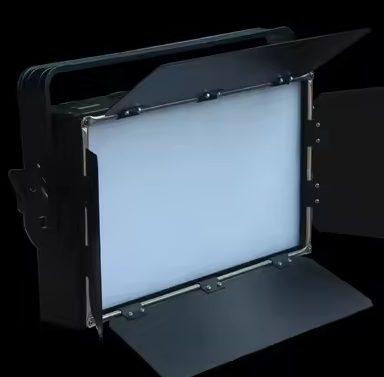
The 300W LED Panel light, priced at USD 205, can experience derating in winter due to cold-start behaviour, resulting in reduced light output and decreased colour accuracy.
What is cold-start behaviour?
Cold-start behaviour refers to the reduced performance of LED fixtures in low-temperature environments. This is due to the decreased efficiency of the LEDs and other components at lower temperatures. As the temperature drops, the LEDs' ability to produce light decreases, resulting in reduced light output and decreased colour accuracy.
How does cold-start behaviour affect LED fixtures?
Cold-start behaviour can cause LED fixtures to derate, resulting in reduced light output, decreased colour accuracy, and increased risk of component failure. The extent of derating depends on the specific fixture, its temperature rating, and the ambient temperature. For example, the RG-P58TC10-Ke18A, priced at USD 149, may experience significant derating in extremely cold temperatures.
What are the key considerations when planning a show around cold-start behaviour?
When planning a show around cold-start behaviour, it's essential to consider the temperature range of the performance environment, select LED fixtures with suitable temperature ratings, and ensure proper installation and maintenance to minimize derating. The RG-EL0001FL-3e844, priced at USD 359, is a suitable option for outdoor shows, as it is designed to operate in a wide temperature range.
How can I determine the right LED fixture for my winter show?
To determine the right LED fixture for your winter show, consider the temperature range of the performance environment, the required light output, and the fixture's temperature rating. Consult with a lighting professional or manufacturer's specifications to ensure the selected fixture can perform optimally in the given conditions. The RG-PDS28S100IA-V25, priced at USD 40, and the RG-PDS28S100IB-V25, priced at USD 53, are both suitable options for indoor shows, but may not be suitable for extremely cold outdoor environments.
What is the impact of cold-start behaviour on LED fixture lifespan?
Cold-start behaviour can reduce the lifespan of LED fixtures, as the repeated exposure to low temperatures can cause component failure. The RG-FR750H5-D8, priced at USD 549, is designed to operate in a wide temperature range, but repeated exposure to extremely cold temperatures can still reduce its lifespan.
How can I mitigate cold-start behaviour in LED fixtures?
Cold-start behaviour can be mitigated by using LED fixtures with built-in temperature compensation, selecting fixtures with high-quality components, and ensuring proper installation and maintenance. The RG-P58TC10-Ke18A, for example, has a built-in temperature compensation system, which helps to minimize derating in low-temperature environments.
What are the benefits of using LED fixtures with temperature compensation?
Using LED fixtures with temperature compensation can provide several benefits, including reduced derating, increased colour accuracy, and extended lifespan. The RG-EL0001FL-3e844, for example, has a temperature compensation system, which ensures optimal performance even in low-temperature environments.
How can I ensure proper installation and maintenance of LED fixtures in winter?
To ensure proper installation and maintenance of LED fixtures in winter, follow the manufacturer's guidelines, use suitable mounting hardware, and perform regular checks to ensure the fixtures are operating within their specified temperature range. The RG-PDS28S100IA-V25 and RG-PDS28S100IB-V25, for example, require regular cleaning to ensure optimal performance.
What are the key differences between indoor and outdoor LED fixtures?
Indoor and outdoor LED fixtures have different design considerations, including temperature rating, moisture resistance, and durability. Outdoor fixtures, such as the RG-P58TC10-Ke18A, are designed to withstand harsh weather conditions, while indoor fixtures, such as the RG-PDS28S100IA-V25, are designed for optimal performance in controlled environments.
How can I compare the performance of different LED fixtures in winter?
To compare the performance of different LED fixtures in winter, consider the temperature rating, derating curve, and lifespan of each fixture. The following table provides a comparison of the RG-P58TC10-Ke18A and RG-EL0001FL-3e844:
| Fixture | Temperature Rating | Derating Curve | Lifespan |
|---|---|---|---|
| RG-P58TC10-Ke18A | -20°C to 40°C | 10% derating at -10°C | 50,000 hours |
| RG-EL0001FL-3e844 | -30°C to 50°C | 5% derating at -10°C | 100,000 hours |
What are the volume pricing options for LED fixtures?
The volume pricing options for LED fixtures vary depending on the manufacturer and the specific fixture. The following table provides the volume pricing options for the RG-PDS28S100IA-V25 and RG-PDS28S100IB-V25:
| Fixture | Quantity | Price |
|---|---|---|
| RG-PDS28S100IA-V25 | 1-49 | USD 40 |
| RG-PDS28S100IA-V25 | 50-99 | USD 37 |
| RG-PDS28S100IB-V25 | 1-49 | USD 53 |
| RG-PDS28S100IB-V25 | 50-99 | USD 50 |
How can I purchase LED fixtures from RiGeBa Lighting?
To purchase LED fixtures from RiGeBa Lighting, visit our website and navigate to the RG-P58TC10-Ke18A or RG-EL0001FL-3e844 product pages. Contact our sales team for more information on pricing, availability, and shipping.
Next, review the specifications of the RG-P58TC10-Ke18A and RG-EL0001FL-3e844 to determine which fixture is best suited for your winter show.
Frequently Asked Questions
What is cold-start behaviour in LED fixtures?
Cold-start behaviour refers to the reduced performance of LED fixtures in low-temperature environments, such as winter. This is due to the decreased efficiency of the LEDs and other components at lower temperatures.
How does cold-start behaviour affect LED fixtures?
Cold-start behaviour can cause LED fixtures to derate, resulting in reduced light output, decreased colour accuracy, and increased risk of component failure.
Can cold-start behaviour be mitigated?
Yes, cold-start behaviour can be mitigated by using LED fixtures with built-in temperature compensation, selecting fixtures with high-quality components, and ensuring proper installation and maintenance.
What are the key considerations when planning a show around cold-start behaviour?
When planning a show around cold-start behaviour, it's essential to consider the temperature range of the performance environment, select LED fixtures with suitable temperature ratings, and ensure proper installation and maintenance to minimize derating.
How can I determine the right LED fixture for my winter show?
To determine the right LED fixture for your winter show, consider the temperature range of the performance environment, the required light output, and the fixture's temperature rating. Consult with a lighting professional or manufacturer's specifications to ensure the selected fixture can perform optimally in the given conditions.
Need help choosing fixtures for your project? Tell us the venue type and room size — we'll spec it for free.
Request a Free Rig Spec →