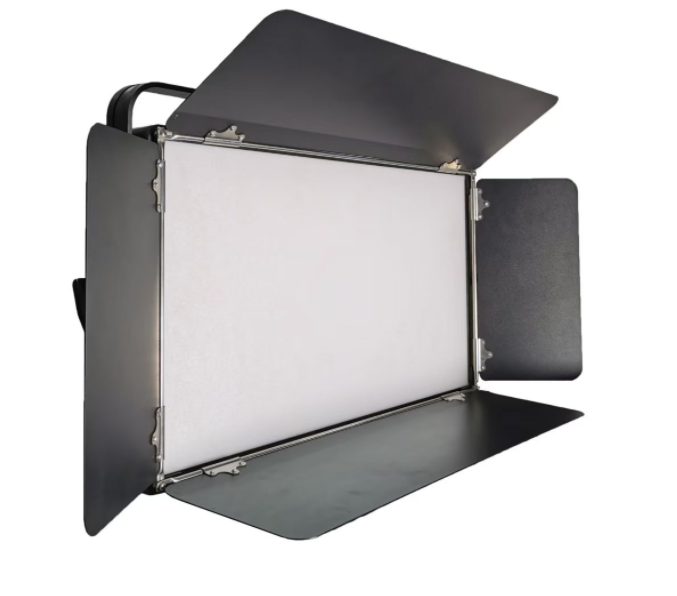
Fan noise in LED fixtures can be a significant issue in quiet environments, such as recording studios, home theaters, and quiet office spaces. Technicians and installers need to consider the fan noise level when selecting LED fixtures for these applications. The RG-PS200A110-W, for example, is a 200W LED tricolor soft light with a relatively low fan noise level, making it suitable for quiet environments.
The short answer
The RG-PS200A110-W has a fan noise level of around 20 decibels, making it suitable for quiet environments, with a price of USD 115.
What is fan noise in LED fixtures?
Fan noise in LED fixtures refers to the sound generated by the cooling fans used to dissipate heat from the LEDs. This noise can range from a gentle hum to a loud whine, depending on the model and manufacturer.
How is fan noise measured in LED fixtures?
Fan noise in LED fixtures is typically measured in decibels (dB) using a sound level meter or a decibel meter. The measurement is usually taken at a distance of 1 meter from the fixture.
Which rooms require silent running LED fixtures?
Rooms that require silent running LED fixtures include recording studios, home theaters, and quiet office spaces. These environments require minimal background noise to ensure optimal performance or concentration.
What are the consequences of high fan noise levels in LED fixtures?
High fan noise levels in LED fixtures can be distracting and disruptive, especially in quiet environments. They can also lead to decreased productivity and increased stress levels.
How can I reduce fan noise in LED fixtures?
To reduce fan noise in LED fixtures, you can try using fixtures with lower fan speeds or those that use passive cooling systems. You can also consider using acoustic panels or soundproofing materials to reduce the overall noise level in the room.
What are the benefits of using silent running LED fixtures?
The benefits of using silent running LED fixtures include reduced noise pollution, increased productivity, and improved overall performance. They are also ideal for applications where minimal background noise is required.
Can I use LED fixtures with high fan noise levels in loud environments?
Yes, you can use LED fixtures with high fan noise levels in loud environments, such as concert halls or nightclubs. In these environments, the background noise is already high, so the fan noise from the LED fixtures will be less noticeable.
How do I choose the right LED fixture for my application?
To choose the right LED fixture for your application, consider the fan noise level, as well as other factors such as lumen output, color temperature, and beam angle. You can also consult with a lighting expert or refer to the manufacturer's specifications.
What are the different types of LED fixtures available?
There are several types of LED fixtures available, including spotlights, floodlights, and panel lights. Each type has its own unique characteristics and features, such as beam angle, lumen output, and fan noise level.
What is the typical lifespan of LED fixtures?
The typical lifespan of LED fixtures can range from 50,000 to 100,000 hours, depending on the model and manufacturer. The RG-EL0001FL-3e260, for example, has a lifespan of up to 100,000 hours.
How do I maintain and clean LED fixtures?
To maintain and clean LED fixtures, refer to the manufacturer's instructions and use a soft cloth to wipe down the fixture. Avoid using harsh chemicals or abrasive materials that can damage the LEDs or other components.
What are the advantages of using LED fixtures?
The advantages of using LED fixtures include energy efficiency, long lifespan, and low maintenance. They are also environmentally friendly and can be recycled at the end of their lifespan.
How do I compare different LED fixtures?
To compare different LED fixtures, consider factors such as lumen output, color temperature, beam angle, and fan noise level. You can also refer to the manufacturer's specifications and consult with a lighting expert.
| Model | Fan Noise Level | Price |
|---|---|---|
| RG-PS200A110-W | around 20 decibels | USD 115 |
| RG-PS200A20T50-W | around 30 decibels | USD 95 |
| Model | Configuration | EXW Price |
|---|---|---|
| RG-PS200A110-W | 200W LED tricolor soft light | USD 115 |
| RG-EL0001FL-3e260 | LED background stage fan light | USD 190 |
For more information on the RG-PS200A110-W, visit RG-PS200A110-W. For more information on the RG-EL0001FL-3e260, visit RG-EL0001FL-3e260. Next, contact us to discuss your specific lighting needs and determine the best LED fixtures for your application.
What are the key factors that influence fan noise in LED fixtures?
Fan noise in LED fixtures is primarily determined by the design of the cooling system, the type of LEDs used, and the power consumption of the fixture. A well-designed cooling system can minimize fan noise, while high-power LEDs can generate more heat and require more powerful fans. Additionally, the power consumption of the fixture can impact fan noise, as higher power consumption can lead to increased heat generation and fan noise. Understanding these factors is crucial for selecting the right LED fixture for a specific application.
How do different types of LED fixtures affect fan noise levels?
Different types of LED fixtures have varying levels of fan noise due to their unique design and construction. For example, LED fan lights with a high number of LEDs and a large fan diameter tend to produce more fan noise than smaller, more efficient fixtures. On the other hand, LED guide columns with a smaller fan diameter and fewer LEDs tend to produce less fan noise. When selecting an LED fixture, it is essential to consider the fan noise level and choose a fixture that meets the required specifications.
What the catalogue actually charges for these
| Model | Configuration | EXW |
|---|---|---|
| RG-CA8802 | 8 outputs | US$51 |
| RG-CA8402MINI | 4 outputs | US$51 |
| Model | Configuration | EXW |
|---|---|---|
| RG-PDS28S10IA-V25 | 500×500 Prismatic Light LED Guide Column | US$75 |
Where to compare the models mentioned above
The two catalogue pages that carry the configurations in these tables are RG-PDS28S10IA-V25 and RG-EL0001FL-3e260. Open each one for the full spec list, the volume tiers and the current EXW price.
Frequently Asked Questions
What is the typical fan noise level in LED fixtures?
The typical fan noise level in LED fixtures can range from 20 to 50 decibels, depending on the model and manufacturer. For example, the RG-PS200A110-W has a relatively low fan noise level, making it suitable for quiet environments.
How do I measure fan noise in LED fixtures?
To measure fan noise in LED fixtures, you can use a sound level meter or a decibel meter. Place the meter at a distance of 1 meter from the fixture and take note of the reading. Compare the reading to the manufacturer's specifications or to the acceptable noise level for your application.
Which rooms require silent running LED fixtures?
Rooms that require silent running LED fixtures include recording studios, home theaters, and quiet office spaces. These environments require minimal background noise to ensure optimal performance or concentration.
Can I use LED fixtures with high fan noise levels in loud environments?
Yes, you can use LED fixtures with high fan noise levels in loud environments, such as concert halls or nightclubs. In these environments, the background noise is already high, so the fan noise from the LED fixtures will be less noticeable.
How can I reduce fan noise in LED fixtures?
To reduce fan noise in LED fixtures, you can try using fixtures with lower fan speeds or those that use passive cooling systems. You can also consider using acoustic panels or soundproofing materials to reduce the overall noise level in the room.
Need help choosing fixtures for your project? Tell us the venue type and room size — we'll spec it for free.
Request a Free Rig Spec →