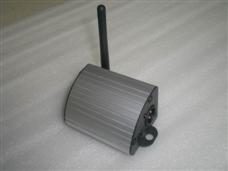
Wireless DMX systems are becoming increasingly popular in the entertainment industry due to their convenience and flexibility. However, they can also be prone to latency and dropouts, which can be a problem in applications that require precise control and reliability. In this article, we will discuss the pros and cons of wireless DMX systems and provide guidance on when to use them and when to run cable instead.
The short answer
The RG-CTCWILDR-RS wireless remote control has a latency of less than 1 millisecond and can handle up to 512 channels, making it a good option for applications that require precise control and reliability, with a price starting from $41.
What is wireless DMX and how does it work?
Wireless DMX is a technology that allows DMX signals to be transmitted wirelessly over a radio frequency (RF) or infrared (IR) link. This eliminates the need for cables and makes it easier to set up and use DMX systems in a variety of applications. Wireless DMX systems typically consist of a transmitter and receiver, which are connected to the DMX controller and fixtures, respectively.
What are the benefits of wireless DMX systems?
The benefits of wireless DMX systems include convenience, flexibility, and cost savings. They are ideal for applications where cables would be difficult or impossible to run, such as in outdoor events or in venues with a lot of obstacles. They are also useful for applications that require a high degree of mobility, such as in touring productions or in events that need to be set up and torn down quickly.
What are the drawbacks of wireless DMX systems?
The drawbacks of wireless DMX systems include latency, dropouts, and interference. Latency refers to the delay between the time the DMX signal is transmitted and the time it is received, which can be a problem in applications that require precise control and timing. Dropouts refer to the loss of signal, which can cause fixtures to malfunction or not respond at all. Interference can come from other wireless devices or sources of radio frequency interference (RFI), which can cause the signal to be disrupted or lost.
How can I minimize latency in my wireless DMX system?
To minimize latency in your wireless DMX system, you can use a high-quality wireless DMX transmitter and receiver, and make sure they are properly configured and aligned. You can also use a system with a low latency specification, such as the RG-CTCWILDR-RS wireless remote control, which has a latency of less than 1 millisecond.
What can cause dropouts in a wireless DMX system?
Dropouts in a wireless DMX system can be caused by a variety of factors, including interference from other wireless devices, physical obstacles, and weak signal strength. To minimize dropouts, you can use a high-quality wireless DMX transmitter and receiver, and make sure they are properly configured and aligned. You can also use a system with a high gain antenna to improve the signal strength.
When should I use a wired DMX connection instead of wireless?
You should use a wired DMX connection instead of wireless when you need a more reliable and stable connection, such as in a large-scale production or in an environment with a lot of wireless interference. Wired DMX connections are also better suited for applications that require a high level of precision and control, such as in theatrical lighting.
How do I choose the right wireless DMX system for my application?
To choose the right wireless DMX system for your application, you need to consider the number of fixtures you have, the distance between the transmitter and receiver, and the level of reliability and precision you need. You should also consider the cost and complexity of the system, as well as any additional features you may need, such as wireless remote control or DMX signal amplification.
What are some common applications for wireless DMX systems?
Wireless DMX systems are commonly used in a variety of applications, including theatrical lighting, concert lighting, and event lighting. They are also used in architectural lighting, such as in building facades and landscapes.
How do I set up a wireless DMX system?
To set up a wireless DMX system, you need to connect the transmitter to the DMX controller and the receiver to the fixtures. You then need to configure the system to ensure that the transmitter and receiver are properly aligned and that the signal strength is adequate. You can use a wireless DMX system with a variety of fixtures, including the RG-FR650H5S-K 650W Spark flame machine and the RG-TB140S28D-f60 Outdoor 360 degree emitting pixel light tube.
What are some tips for troubleshooting a wireless DMX system?
To troubleshoot a wireless DMX system, you can start by checking the signal strength and ensuring that the transmitter and receiver are properly aligned. You can also check for interference from other wireless devices and sources of RFI. If you are still experiencing problems, you can try using a different channel or frequency, or using a system with a higher gain antenna.
What are the different types of wireless DMX systems available?
There are several types of wireless DMX systems available, including RF-based systems and IR-based systems. RF-based systems use radio frequencies to transmit the DMX signal, while IR-based systems use infrared light. Each type of system has its own advantages and disadvantages, and the choice of which one to use will depend on the specific application and requirements.
How do I compare the different wireless DMX systems available?
To compare the different wireless DMX systems available, you can consider factors such as the range, latency, and reliability of the system, as well as the cost and complexity. You can also consider the type of fixtures you will be using and the level of control and precision you need. The following table compares some of the key features of the RG-CTCWILDR-RS and RG-CTCWIXLR-RS wireless remote controls:
| Model | EXW Price | Latency | Range |
|---|---|---|---|
| RG-CTCWILDR-RS | $41 | <1ms | 500M |
| RG-CTCWIXLR-RS | $26 | <1ms | 500M |
What are some common mistakes to avoid when using a wireless DMX system?
Some common mistakes to avoid when using a wireless DMX system include not properly configuring the system, not ensuring that the transmitter and receiver are properly aligned, and not checking for interference from other wireless devices. You should also avoid using a system that is not designed for your specific application or requirements.
How can I ensure the reliability and stability of my wireless DMX system?
To ensure the reliability and stability of your wireless DMX system, you can use a high-quality system and ensure that it is properly configured and maintained. You can also use a system with a high gain antenna to improve the signal strength and reduce the risk of dropouts. Regularly checking the system for interference and ensuring that the transmitter and receiver are properly aligned can also help to ensure reliability and stability.
What are the implications of using a wireless DMX system on the overall lighting design?
Using a wireless DMX system can have implications on the overall lighting design, as it can affect the way the fixtures are controlled and the level of precision and reliability that can be achieved. It can also affect the way the system is set up and configured, and the type of fixtures that can be used. The following table compares some of the key features of the FG-W3PE3L100H13-KDp power cable and the FG-W3P7PX1L80H22-KDp signal cable:
| Model | EXW Price | Length | Type |
|---|---|---|---|
| FG-W3PE3L100H13-KDp | $3 | 100CM | Power |
| FG-W3P7PX1L80H22-KDp | $2 | 80CM | Signal |
To get a quote for a wireless DMX system, please contact us with your specific requirements and we will be happy to provide you with a customized solution.
Frequently Asked Questions
What is the typical latency of wireless DMX systems?
The typical latency of wireless DMX systems is around 1-2 milliseconds, but it can vary depending on the system and environment. For example, the RG-CTCWILDR-RS wireless remote control has a latency of less than 1 millisecond.
How can I minimize dropouts in my wireless DMX system?
To minimize dropouts in your wireless DMX system, make sure to use a high-quality wireless DMX transmitter and receiver, and keep them away from other wireless devices that may cause interference. You can also use a wireless DMX system with a high gain antenna to improve the signal strength.
When should I use a wired DMX connection instead of wireless?
You should use a wired DMX connection instead of wireless when you need a more reliable and stable connection, such as in a large-scale production or in an environment with a lot of wireless interference. Wired DMX connections are also better suited for applications that require a high level of precision and control, such as in theatrical lighting.
Can I use a wireless DMX system with a large number of fixtures?
Yes, you can use a wireless DMX system with a large number of fixtures, but you need to make sure that the system is designed to handle the number of fixtures you have. For example, the RG-CTCWILDR-RS wireless remote control can handle up to 512 channels, which is enough for a large number of fixtures.
How do I choose the right wireless DMX system for my application?
To choose the right wireless DMX system for your application, you need to consider the number of fixtures you have, the distance between the transmitter and receiver, and the level of reliability and precision you need. You should also consider the cost and complexity of the system, as well as any additional features you may need, such as wireless remote control or DMX signal amplification.
Need help choosing fixtures for your project? Tell us the venue type and room size — we'll spec it for free.
Request a Free Rig Spec →