Planning power and phase balance for a stage full of LED fixtures is a critical task that requires careful consideration of several factors. The goal is to ensure that the power distribution is even and efficient, and that the stage is safe and reliable for performers and crew members.
The short answer
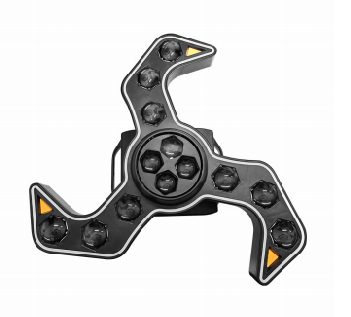
Check the power consumption of each fixture, like the Full Moon Scimitar LED effect light, which consumes 120W of power, and plan the power and phase balance accordingly.
What is the total power consumption of my LED fixtures?
To calculate the total power consumption of your LED fixtures, you need to check the specifications of each fixture. For example, the Full Moon Scimitar LED effect light consumes 120W of power, while the 6W Moving Head Full Color Laser consumes 6W of power. Make a list of all the fixtures on your stage and their respective power consumptions.
How do I determine the right size and configuration for my LED fixtures?
To determine the right size and configuration for your LED fixtures, consider the size of the stage, the type of performance, and the desired lighting effects. For example, the 6W Moving Head Full Color Laser is suitable for small to medium-sized stages, while the RG-EL0001FL-3e576 LED 16-corner windmill full color effect light is suitable for larger stages.
What is the importance of phase balance in stage lighting?
Phase balance is crucial in stage lighting to ensure that the power distribution is even and efficient. This helps to prevent overheating, reduces the risk of electrical shocks, and minimizes the strain on the electrical system. To achieve phase balance, you need to distribute the load evenly across the stage and ensure that the power sources are properly connected.
Can I use a single power source for all my LED fixtures?
It's not recommended to use a single power source for all your LED fixtures, as this can lead to overload and electrical issues. Instead, consider using multiple power sources and distributing the load evenly across the stage. For example, you can use separate power sources for the Full Moon Scimitar LED effect light and the 6W Moving Head Full Color Laser.
How do I troubleshoot power and phase balance issues on my stage?
To troubleshoot power and phase balance issues on your stage, start by checking the power consumption of each fixture and the overall load on the electrical system. Then, check for any signs of overheating, electrical shocks, or other safety hazards. Make sure to follow proper safety protocols when working with electrical systems.
What are the key considerations when choosing LED fixtures for my stage?
When choosing LED fixtures for your stage, consider factors such as power consumption, beam angle, and color temperature. For example, the RG-W40IB1-Kf100F Led Roller Wave Water Ripple Light has a beam angle of 120° and consumes 120W of power. Make a list of your requirements and choose fixtures that meet your needs.
How do I calculate the total load on my electrical system?
To calculate the total load on your electrical system, you need to add up the power consumption of all the fixtures on your stage. Make sure to include any other electrical equipment, such as sound systems and video projectors. Use the following table to calculate the total load:
| Fixture | Power Consumption |
|---|---|
| Full Moon Scimitar LED effect light | 120W |
| 6W Moving Head Full Color Laser | 6W |
| RG-EL0001FL-3e576 LED 16-corner windmill full color effect light | 180W |
What are the benefits of using LED fixtures on my stage?
LED fixtures offer several benefits, including energy efficiency, long lifespan, and low maintenance. They are also environmentally friendly and can help reduce your carbon footprint. Consider using LED fixtures such as the RG-W40IB2-Kf60F LED Optical Glass Water Ripple Light to achieve these benefits.
How do I ensure safe and reliable operation of my LED fixtures?
To ensure safe and reliable operation of your LED fixtures, make sure to follow proper installation and maintenance procedures. This includes checking the fixtures regularly for signs of wear and tear, and replacing any damaged or faulty components. Also, make sure to use high-quality fixtures such as the RG-EL0001FL-3e576 LED 16-corner windmill full color effect light, which has a robust design and reliable performance.
What are the common mistakes to avoid when planning power and phase balance for my stage?
Common mistakes to avoid when planning power and phase balance for your stage include overloading the electrical system, using inadequate power sources, and failing to distribute the load evenly. Make sure to avoid these mistakes by carefully planning and calculating the power and phase balance for your stage. Use the following table to compare the specifications of different fixtures:
| Fixture | Power Consumption | Beam Angle |
|---|---|---|
| Full Moon Scimitar LED effect light | 120W | Unique clear and highly focused |
| 6W Moving Head Full Color Laser | 6W | 540° x 270° |
| RG-EL0001FL-3e576 LED 16-corner windmill full color effect light | 180W | Not specified |
Next, review your stage design and calculate the total power consumption of all the fixtures. Then, contact a professional electrician to ensure that your electrical system can handle the load.
Frequently Asked Questions
What is the first step in planning power and phase balance for a stage?
The first step is to calculate the total power consumption of all the LED fixtures on the stage. This can be done by checking the specifications of each fixture, such as the Full Moon Scimitar LED effect light, which consumes 120W of power.
How do I determine the right size and configuration for my LED fixtures?
To determine the right size and configuration for your LED fixtures, consider the size of the stage, the type of performance, and the desired lighting effects. For example, the 6W Moving Head Full Color Laser is suitable for small to medium-sized stages.
What is the importance of phase balance in stage lighting?
Phase balance is crucial in stage lighting to ensure that the power distribution is even and efficient. This helps to prevent overheating, reduces the risk of electrical shocks, and minimizes the strain on the electrical system.
Can I use a single power source for all my LED fixtures?
It's not recommended to use a single power source for all your LED fixtures, as this can lead to overload and electrical issues. Instead, consider using multiple power sources and distributing the load evenly across the stage.
How do I troubleshoot power and phase balance issues on my stage?
To troubleshoot power and phase balance issues on your stage, start by checking the power consumption of each fixture and the overall load on the electrical system. Then, check for any signs of overheating, electrical shocks, or other safety hazards.
Need help choosing fixtures for your project? Tell us the venue type and room size — we'll spec it for free.
Request a Free Rig Spec →