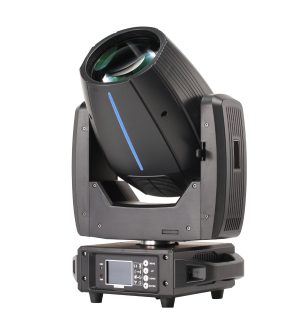
Moving heads are a crucial part of any lighting system, and regular maintenance is essential to ensure they continue to function properly. For rental houses, touring productions, theatres, clubs, churches, and event companies, moving heads are a significant investment, and proper maintenance can help extend their lifespan.
The short answer
Clean your moving heads every 2200 hours, and replace the belt when it shows signs of wear. Store the fixtures in a dry, cool place, away from direct sunlight and moisture.
What is the importance of regular cleaning?
Regular cleaning is essential to prevent damage to the moving heads and ensure optimal performance. Dirt, dust, and other debris can accumulate on the fixtures and cause malfunctions or reduce their lifespan. Use a soft cloth and avoid harsh chemicals to clean the moving heads.
How do I clean my moving heads?
To clean your moving heads, start by turning them off and allowing them to cool down. Use a soft cloth to wipe down the exterior and remove any loose debris. For more thorough cleaning, use a mild soap solution and avoid getting any liquids into the electrical components.
What are the signs of a worn-out belt?
A worn-out belt can cause the moving head to malfunction or not move at all. Look for signs of wear, such as cracks, frays, or excessive stretching. Replace the belt immediately if you notice any of these signs.
When should I replace a belt?
Replace a belt when it shows signs of wear or after a certain number of hours of use. The exact replacement interval will depend on the specific model and usage, but as a general rule, replace the belt every 2200 hours.
How do I replace a belt?
To replace a belt, start by turning off the moving head and allowing it to cool down. Remove the outer casing and locate the belt. Use a screwdriver to remove the belt tensioner and pull the belt off the pulleys. Install the new belt and adjust the tensioner to the recommended setting.
What are the different types of moving heads?
There are several types of moving heads, including beam moving heads, wash moving heads, and spot moving heads. Each type has its own unique characteristics and uses. For example, the New 295W 10R beam moving head is a high-powered beam moving head suitable for large venues and outdoor events.
How do I choose the right moving head for my application?
To choose the right moving head for your application, consider the size of the venue, the type of event, and the desired lighting effect. For example, the RG-ML760WC-KCH99 New outdoor IP65 19leds 40w zoom LED Moving head light is suitable for outdoor events and can withstand harsh weather conditions.
What is the difference between IP20 and IP65 moving heads?
IP20 moving heads are designed for indoor use and are not waterproof, while IP65 moving heads are designed for outdoor use and can withstand harsh weather conditions. The IP65 rating means that the fixture is protected against dust and water jets from any direction.
How do I store my moving heads between tours?
Store your moving heads in a dry, cool place, away from direct sunlight and moisture. Use a protective case or cover to prevent damage and keep the fixtures clean. Make sure to follow the manufacturer's storage instructions.
What are the benefits of proper storage?
Proper storage can help extend the lifespan of your moving heads and prevent damage. It can also help maintain their performance and ensure they continue to function properly.
How do I transport my moving heads?
Transport your moving heads in a protective case or cover to prevent damage. Use a sturdy cart or road case to protect the fixtures during transport. Make sure to follow the manufacturer's transportation instructions.
What are the common mistakes to avoid when maintaining moving heads?
Common mistakes to avoid when maintaining moving heads include using harsh chemicals, not following the manufacturer's instructions, and not storing the fixtures properly. Avoid these mistakes to ensure your moving heads continue to function properly and last for a long time.
| Model | EXW Price | Volume Price |
|---|---|---|
| New 295W 10R beam moving head | $332 | - |
| RG-ML760WC-KCH99 | $560 | $530 (over 20 pcs) |
| RG-ML500BL-KCRe12AH194 | $325 | $290 (over 50 pcs) |
To learn more about the New 295W 10R beam moving head, visit the New 295W 10R beam moving head product page. For more information on the RG-ML760WC-KCH99, visit the RG-ML760WC-KCH99 product page.
Next, inspect your moving heads and replace any worn-out belts or damaged components. Clean the fixtures and store them properly to ensure they continue to function properly and last for a long time.
What are the consequences of neglecting regular maintenance?
Neglecting regular maintenance can lead to premature wear and tear on moving head components, resulting in reduced lifespan and increased downtime. This can be particularly problematic for touring productions and rental houses, where the loss of a single moving head can significantly impact the overall performance of the show. Furthermore, neglecting regular maintenance can also lead to increased costs in the long run, as the need for costly repairs and replacements becomes more frequent. By prioritizing regular maintenance, however, it is possible to extend the lifespan of moving heads and minimize the risk of costly downtime.
How does the type of moving head affect its maintenance requirements?
The type of moving head can significantly impact its maintenance requirements. For example, moving heads with complex optics, such as zoom lenses or beam focusing systems, may require more frequent cleaning and adjustment to ensure optimal performance. On the other hand, moving heads with simpler optics, such as fixed beam or spot lights, may require less maintenance. Additionally, moving heads with advanced features, such as DMX control or color changing capabilities, may require more frequent software updates and calibration to ensure optimal performance. By understanding the specific maintenance requirements of the moving head being used, it is possible to develop an effective maintenance routine that minimizes downtime and maximizes performance.
What the catalogue actually charges for these
| Model | Configuration | EXW |
|---|---|---|
| RG-ML420WC-KCH93 | 7leds*60w | US$590 |
| Model | Configuration | EXW |
|---|---|---|
| RG-ML760WC-KCH99 | 19leds 40w zoom | US$560 |
Where to compare the models mentioned above
The two catalogue pages that carry the configurations in these tables are New 295W 10R beam moving head and 6W Moving head full color laser. Open each one for the full spec list, the volume tiers and the current EXW price.
Frequently Asked Questions
How often should I clean my moving heads?
It is recommended to clean your moving heads every 2200 hours to ensure optimal performance and prevent damage. Use a soft cloth and avoid harsh chemicals. Refer to the product manual for specific cleaning instructions.
What are the signs of a worn-out belt?
A worn-out belt can cause the moving head to malfunction or not move at all. Look for signs of wear, such as cracks, frays, or excessive stretching. Replace the belt immediately if you notice any of these signs.
How should I store my moving heads between tours?
Store your moving heads in a dry, cool place, away from direct sunlight and moisture. Use a protective case or cover to prevent damage and keep the fixtures clean. Make sure to follow the manufacturer's storage instructions.
Can I replace a belt myself?
Yes, you can replace a belt yourself, but make sure to follow the manufacturer's instructions and use the correct replacement parts. If you are not comfortable with the replacement process, it is recommended to consult a professional technician.
How long does a moving head last?
The lifespan of a moving head depends on various factors, such as usage, maintenance, and environmental conditions. On average, a moving head can last for around 2200 hours, but this can vary depending on the specific model and usage.
Need help choosing fixtures for your project? Tell us the venue type and room size — we'll spec it for free.
Request a Free Rig Spec →