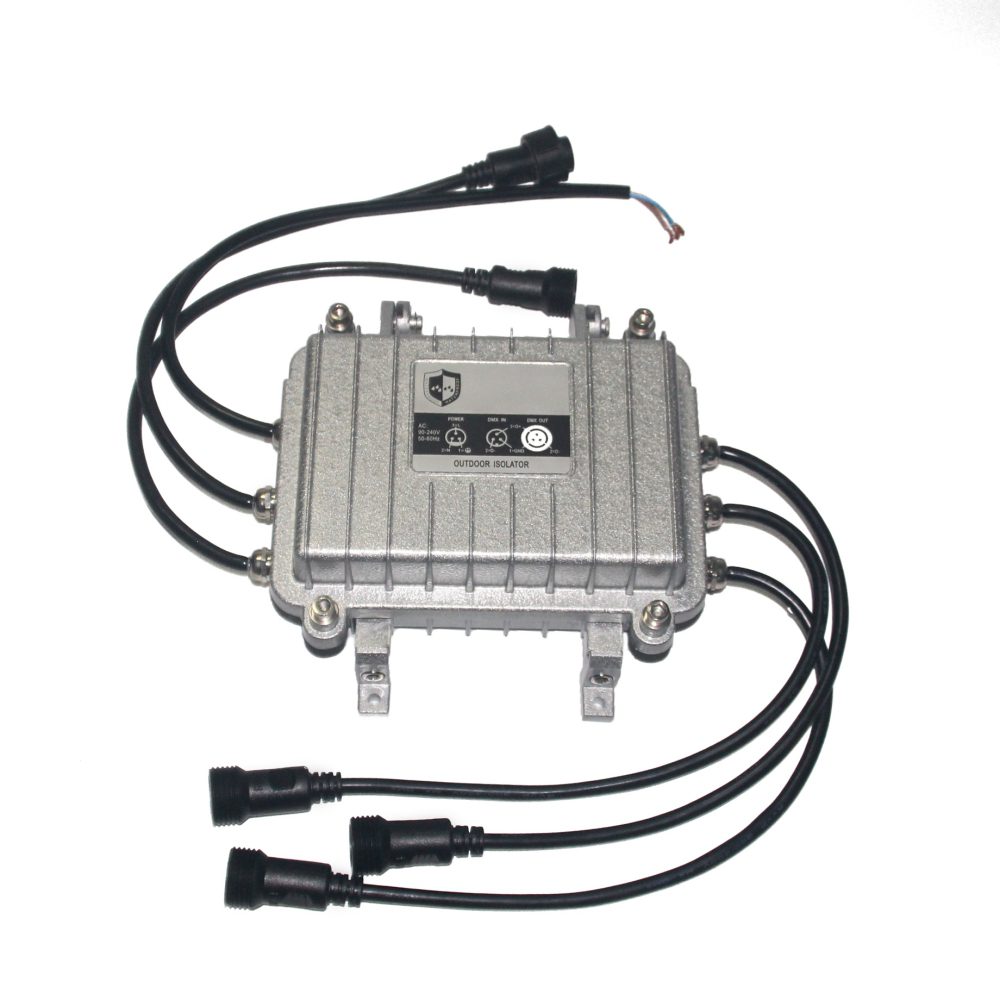
DMX splitters and opto-isolation are essential components in lighting systems, particularly when dealing with large-scale installations that require multiple cable runs. For technicians and lighting designers, understanding how to use DMX splitters and opto-isolation is crucial for ensuring reliable signal transmission and preventing electrical noise and interference.
The short answer
When one universe needs four cable runs, use 4 DMX splitters, such as the RG-CA8402C, to ensure reliable signal transmission and opto-isolation, with a price of $72 per unit.
What is DMX opto-isolation?
DMX opto-isolation is a method of isolating DMX signals to prevent electrical noise and interference. It uses optical isolators to separate the input and output signals, ensuring reliable transmission. This is particularly important in large-scale lighting installations where multiple devices are connected to the same DMX universe.
How do DMX splitters work?
DMX splitters work by splitting a DMX signal into multiple outputs, allowing multiple devices to be connected to the same DMX universe. They use opto-isolation to prevent electrical noise and interference, ensuring reliable signal transmission. DMX splitters are available in different configurations, including 1-in, 4-out and 1-in, 8-out.
What are the benefits of using DMX splitters?
The benefits of using DMX splitters include reliable signal transmission, opto-isolation, and the ability to connect multiple devices to the same DMX universe. DMX splitters also allow for longer cable runs, reducing the need for repeaters and amplifiers.
How many DMX splitters do I need for four cable runs?
You will need at least 4 DMX splitters, one for each cable run, to ensure reliable signal transmission and opto-isolation. This will depend on the specific requirements of your lighting installation, including the number of devices connected to the DMX universe and the distance of the cable runs.
What is the difference between a DMX splitter and a DMX distributor?
A DMX splitter is a device that splits a DMX signal into multiple outputs, while a DMX distributor is a device that distributes DMX signals to multiple devices. Both devices are used to extend DMX signals, but they serve different purposes. DMX splitters are used to connect multiple devices to the same DMX universe, while DMX distributors are used to distribute DMX signals to multiple universes.
Can I use a DMX splitter with a DMX controller?
Yes, you can use a DMX splitter with a DMX controller. The DMX splitter will split the signal from the controller and transmit it to multiple devices. This is particularly useful in large-scale lighting installations where multiple devices need to be controlled from a single controller.
What are the key considerations when choosing a DMX splitter?
When choosing a DMX splitter, consider the number of outputs required, the distance of the cable runs, and the type of devices being connected. You should also consider the opto-isolation method used, as well as the price and availability of the splitter.
How do I configure a DMX splitter?
To configure a DMX splitter, follow the manufacturer's instructions for setting the dip switches and configuring the output settings. You should also ensure that the splitter is properly connected to the DMX controller and devices, and that the cable runs are within the recommended distance.
What are the common problems with DMX splitters?
Common problems with DMX splitters include electrical noise and interference, signal loss, and device malfunction. These problems can be caused by a variety of factors, including poor cable quality, incorrect configuration, and device failure.
How do I troubleshoot a DMX splitter?
To troubleshoot a DMX splitter, check the cable connections and ensure that they are secure and free from damage. You should also check the dip switch settings and output configurations to ensure that they are correct. If the problem persists, try replacing the splitter or seeking technical support from the manufacturer.
What is the maximum distance for a DMX cable run?
The maximum distance for a DMX cable run is typically 300 meters (1000 feet), but this can vary depending on the specific DMX device and cable used. It is recommended to check the manufacturer's specifications for the maximum cable run distance.
What are the different types of DMX splitters available?
There are several types of DMX splitters available, including 1-in, 4-out and 1-in, 8-out. The choice of splitter will depend on the specific requirements of your lighting installation, including the number of devices connected to the DMX universe and the distance of the cable runs.
| Model | Configuration | EXW Price | Volume Tier |
|---|---|---|---|
| RG-CA8402C | 1-in, 4-out | $72 | 1-10 units |
| RG-CA8402MINI | 1-in, 4-out | $51 | 1-10 units |
| RG-CA8802 | 1-in, 8-out | $51 | 1-10 units |
To learn more about the RG-CA8402C DMX splitter, visit the RG-CA8402C product page. For more information on the RG-CA8402MINI DMX mini splitter, visit the RG-CA8402MINI product page.
Next, review the specifications of the DMX splitters and determine which one is best suited for your lighting installation. Consider the number of outputs required, the distance of the cable runs, and the type of devices being connected. Then, contact a RiGeBa Lighting representative to discuss your specific needs and determine the best course of action.
What the catalogue actually charges for these
| Model | Configuration | EXW |
|---|---|---|
| RG-CA8802 | 8 outputs | US$51 |
| Model | Configuration | EXW |
|---|---|---|
| RG-CA8402MINI | 4 outputs | US$51 |
Where to compare the models mentioned above
The two catalogue pages that carry the configurations in these tables are RG-PDS28S10IA-V25 and RG-CA8402C. Open each one for the full spec list, the volume tiers and the current EXW price.
Frequently Asked Questions
What is DMX opto-isolation?
DMX opto-isolation is a method of isolating DMX signals to prevent electrical noise and interference. It uses optical isolators to separate the input and output signals, ensuring reliable transmission.
How many DMX splitters do I need for four cable runs?
You will need at least 4 DMX splitters, one for each cable run, to ensure reliable signal transmission and opto-isolation.
What is the difference between a DMX splitter and a DMX distributor?
A DMX splitter is a device that splits a DMX signal into multiple outputs, while a DMX distributor is a device that distributes DMX signals to multiple devices. Both devices are used to extend DMX signals, but they serve different purposes.
Can I use a DMX splitter with a DMX controller?
Yes, you can use a DMX splitter with a DMX controller. The DMX splitter will split the signal from the controller and transmit it to multiple devices.
What is the maximum distance for a DMX cable run?
The maximum distance for a DMX cable run is typically 300 meters (1000 feet), but this can vary depending on the specific DMX device and cable used.
Need help choosing fixtures for your project? Tell us the venue type and room size — we'll spec it for free.
Request a Free Rig Spec →