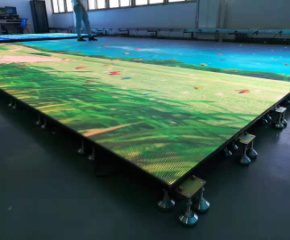
LED dance floors are a popular choice for events, parties, and installations, offering a unique and engaging visual experience. However, choosing the right LED dance floor can be a daunting task, especially with the numerous options available in the market. Professional buyers, such as event companies, rental houses, and installation specialists, need to consider several factors, including panel pitch, weight loading, and DMX mapping, to ensure that they select the most suitable LED dance floor for their needs.
The short answer
To choose the right LED dance floor, consider a panel pitch of 2.976mm, weight loading capacity of 380KG㎡, and DMX512 protocol, as seen in models like the RG-VDF44S2976-KV0.
What is the typical panel pitch for LED dance floors?
The typical panel pitch for LED dance floors can range from 2.976mm to 3.91mm, depending on the model and manufacturer. For example, the RG-VDF44S2976-KV0 has a panel pitch of 2.976mm, while the RG-VDF44S391-KV0 has a panel pitch of 3.91mm. A smaller panel pitch generally provides a higher resolution and more detailed visuals, but may also increase the cost.
How do I determine the right size and configuration for my LED dance floor?
To determine the right size and configuration for your LED dance floor, consider the space where it will be installed, the intended use, and the desired visual effect. You may also want to consult with a professional to ensure that the floor is properly integrated with your existing lighting and sound systems. The size and configuration of the LED dance floor will impact the overall visual experience and the level of engagement with the audience.
What is the weight loading capacity of LED dance floors?
The weight loading capacity of LED dance floors can vary depending on the model and manufacturer. For example, the RG-IDF17S305-156 has a weight loading capacity of 380KG㎡ (Resin panel bearing) or 500KG㎡ (Glass panel bearing). It's essential to consider the weight loading capacity to ensure that the floor can support the intended use and avoid any damage or safety risks.
How is the DMX mapped for LED dance floors?
The DMX mapping for LED dance floors can vary depending on the model and manufacturer. However, most LED dance floors use a standard DMX protocol, such as DMX512, to control the lighting effects and patterns. It's essential to consult the user manual or manufacturer's documentation to understand the specific DMX mapping for your LED dance floor. The DMX mapping will impact the level of control and customization you have over the lighting effects.
What are the different types of LED dance floors available?
There are several types of LED dance floors available, including panel-based, modular, and interactive floors. Each type has its unique features, advantages, and disadvantages. For example, the RG-VDF44S2976-KV0 is a panel-based LED dance floor, while the RG-IDF17S305-156 is an interactive floor. The type of LED dance floor you choose will depend on your specific needs and requirements.
How do I install and maintain my LED dance floor?
The installation and maintenance of LED dance floors can vary depending on the model and manufacturer. It's essential to follow the manufacturer's instructions and guidelines to ensure proper installation and maintenance. Regular maintenance can help extend the lifespan of the LED dance floor and prevent any technical issues.
What are the key considerations when choosing an LED dance floor?
When choosing an LED dance floor, consider factors such as panel pitch, weight loading capacity, DMX mapping, size, configuration, and type. You should also consider the intended use, space, and budget. It's essential to weigh the pros and cons of each option and consult with a professional if necessary.
Can I use LED dance floors outdoors?
Some LED dance floors are designed for outdoor use, while others are intended for indoor use only. Check the specifications and manufacturer's recommendations to ensure that the floor is suitable for your intended use. For example, the RG-DDF33S33-P32MW has a protection level of IP55-IP65, making it suitable for outdoor use.
What is the typical price range for LED dance floors?
The price range for LED dance floors can vary widely, depending on the model, manufacturer, and features. For example, the RG-IDF17S305-156 is priced at USD 35, while the RG-VDF44S2976-KV0 is priced at USD 895. The price will impact the level of quality, features, and performance you can expect from the LED dance floor.
How do I control and program my LED dance floor?
The control and programming of LED dance floors can vary depending on the model and manufacturer. Most LED dance floors use a standard DMX protocol, such as DMX512, to control the lighting effects and patterns. You may also use software or hardware controllers to program and customize the lighting effects. It's essential to consult the user manual or manufacturer's documentation to understand the specific control and programming options for your LED dance floor.
What are the benefits of using LED dance floors?
LED dance floors offer several benefits, including high-energy visuals, interactive effects, and durability. They can also be customized to fit your specific needs and requirements. LED dance floors are a popular choice for events, parties, and installations, and can help create a unique and engaging atmosphere.
To learn more about our LED dance floor products, visit our website and explore our range of options, including the RG-VDF44S2976-KV0 and RG-IDF17S305-156.
| Model | Panel Pitch | Weight Loading Capacity | DMX Protocol | Price |
|---|---|---|---|---|
| RG-VDF44S2976-KV0 | 2.976mm | 18.5Kg | DMX512 | USD 895 |
| RG-VDF44S391-KV0 | 3.91mm | 18.5Kg | DMX512 | USD 645 |
| RG-IDF17S305-156 | - | 380KG㎡ (Resin panel bearing) or 500KG㎡ (Glass panel bearing) | Interactive control/Built-in control mode | USD 35 |
| Model | Size | Material | Protection Level | Price |
|---|---|---|---|---|
| RG-DDF33S100-V64S | 600 x 600 x 51 mm ±1mm | Acrylic panels, Iron cabinet, Plastic foot | - | USD 115 |
| RG-DDF33S33-P32MW | 60*60cm/pcs | ABS+tempered glass | IP55-IP65 | USD 25 |
Contact us to discuss your LED dance floor requirements and to learn more about our products and services.
Frequently Asked Questions
What is the typical panel pitch for LED dance floors?
The typical panel pitch for LED dance floors can range from 2.976mm to 3.91mm, depending on the model and manufacturer. For example, the RG-VDF44S2976-KV0 has a panel pitch of 2.976mm, while the RG-VDF44S391-KV0 has a panel pitch of 3.91mm.
How do I determine the right size and configuration for my LED dance floor?
To determine the right size and configuration for your LED dance floor, consider the space where it will be installed, the intended use, and the desired visual effect. You may also want to consult with a professional to ensure that the floor is properly integrated with your existing lighting and sound systems.
What is the weight loading capacity of LED dance floors?
The weight loading capacity of LED dance floors can vary depending on the model and manufacturer. For example, the RG-IDF17S305-156 has a weight loading capacity of 380KG㎡ (Resin panel bearing) or 500KG㎡ (Glass panel bearing).
How is the DMX mapped for LED dance floors?
The DMX mapping for LED dance floors can vary depending on the model and manufacturer. However, most LED dance floors use a standard DMX protocol, such as DMX512, to control the lighting effects and patterns. It's essential to consult the user manual or manufacturer's documentation to understand the specific DMX mapping for your LED dance floor.
Can I use LED dance floors outdoors?
Some LED dance floors are designed for outdoor use, while others are intended for indoor use only. Check the specifications and manufacturer's recommendations to ensure that the floor is suitable for your intended use. For example, the RG-DDF33S33-P32MW has a protection level of IP55-IP65, making it suitable for outdoor use.
Need help choosing fixtures for your project? Tell us the venue type and room size — we'll spec it for free.
Request a Free Rig Spec →