Rigging hardware is a critical component of any live event or show, providing the necessary support and structure for lighting, sound, and other equipment. However, rigging hardware can be complex and requires careful inspection and maintenance to ensure safe and reliable operation. Technicians responsible for rigging hardware must have a thorough understanding of the basics of clamps, couplers, and safety bonds, as well as the importance of regular inspection and maintenance.
The short answer
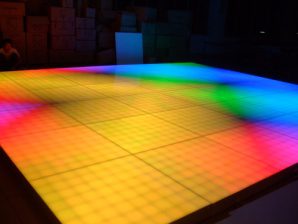
Before every show, inspect 1024 LEDs and check the EXW price of $225 for the RG-DDF56S125-V8 LED digital dance floor.
What is the purpose of a clamp in rigging hardware?
A clamp is used to attach a load to a fixed point, such as a truss or beam. Clamps come in a variety of types and sizes, and are typically made of durable materials such as steel or aluminum. When choosing a clamp, consider the type of load being lifted, the weight and size of the load, and the type of surface the clamp will be attached to.
How do I inspect a clamp before use?
Before using a clamp, inspect it for signs of wear or damage, such as cracks, dents, or corrosion. Check the clamp's moving parts, such as hinges or screws, to ensure they are functioning properly. Also, check the clamp's load rating to ensure it is suitable for the weight and size of the load being lifted.
What is the difference between a coupler and a safety bond?
A coupler is used to connect two pieces of rigging hardware together, while a safety bond is used to secure a load to a fixed point. A coupler is typically used to connect a clamp to a truss or beam, while a safety bond is used to secure a load to a fixed point, such as a wall or ceiling.
How do I choose the right safety bond for my rigging hardware?
When choosing a safety bond, consider the type of load being lifted, the weight and size of the load, and the type of surface the safety bond will be attached to. It is also important to consider the material and construction of the safety bond, as well as any relevant safety certifications.
What are the key considerations when inspecting rigging hardware?
When inspecting rigging hardware, consider the following key factors: signs of wear or damage, such as cracks, dents, or corrosion; proper functioning of moving parts, such as hinges or screws; load ratings and weight limits; and any relevant safety certifications.
How often should I replace my rigging hardware?
Rigging hardware should be replaced regularly to ensure it remains in good working condition. The frequency of replacement will depend on the type of hardware, the frequency of use, and the level of maintenance. As a general rule, rigging hardware should be replaced every 5-10 years, or as recommended by the manufacturer.
What are the benefits of using high-quality rigging hardware?
High-quality rigging hardware provides a number of benefits, including increased safety, reliability, and durability. High-quality hardware is less likely to fail or malfunction, reducing the risk of accidents and injuries. Additionally, high-quality hardware is often more durable and long-lasting, reducing the need for frequent replacement and maintenance.
How do I determine the right size and configuration for my rigging hardware?
To determine the right size and configuration for your rigging hardware, consider the specific requirements of your show or event, including the type and weight of the loads being lifted, and the available rigging points. It is also important to consult the manufacturer's instructions and recommendations for the specific hardware being used.
What are the different types of clamps available?
There are several types of clamps available, including DG-LS52F-200 single hook clamps and DG-LS52F-400 double hook clamps. Each type of clamp has its own unique characteristics and advantages, and the right clamp for the job will depend on the specific requirements of the show or event.
How do I use a coupler to connect two pieces of rigging hardware?
To use a coupler to connect two pieces of rigging hardware, simply attach the coupler to the end of one piece of hardware, and then attach the other piece of hardware to the other end of the coupler. Make sure the coupler is properly secured and tightened to ensure a safe and reliable connection.
What are the different types of safety bonds available?
There are several types of safety bonds available, including TS-WJHZB156X107X50-W30 single hook clamps with connecting pieces. Each type of safety bond has its own unique characteristics and advantages, and the right safety bond for the job will depend on the specific requirements of the show or event.
| Model | Configuration | EXW Price |
|---|---|---|
| DG-LS52F-200 | Single Hook Clamp | $6.05 |
| DG-LS52F-400 | Double Hook Clamp | $10.89 |
| TS-WJHZB156X107X50-W30 | Single Hook Clamp with Connecting Piece | $9.68 |
| BX-L1F65x50T28-W | Safety Bar | $12.1 |
| Model | Weight Limit | Material |
|---|---|---|
| DG-LS52F-200 | 500kg | Steel |
| DG-LS52F-400 | 1000kg | Steel |
| TS-WJHZB156X107X50-W30 | 750kg | Aluminum |
| BX-L1F65x50T28-W | 200kg | Aluminum |
Next, review the RG-DDF56S125-V8 LED digital dance floor product page to learn more about its features and specifications.
Frequently Asked Questions
What is the purpose of a safety bond in rigging?
A safety bond is used to secure a load to a fixed point, preventing it from falling or shifting during use. It is an essential component of rigging hardware and should be inspected regularly for signs of wear or damage.
How often should I inspect my rigging hardware?
Rigging hardware should be inspected before every show, and regularly maintained to ensure it remains in good working condition. This includes checking for signs of wear, damage, or corrosion, and replacing any faulty or damaged components.
What are the key considerations when choosing a clamp?
When choosing a clamp, consider the type of load being lifted, the weight and size of the load, and the type of surface the clamp will be attached to. It is also important to consider the material and construction of the clamp, as well as any relevant safety certifications.
Can I use a coupler as a substitute for a safety bond?
No, a coupler and a safety bond are not interchangeable. A coupler is used to connect two pieces of rigging hardware together, while a safety bond is used to secure a load to a fixed point. Using a coupler as a substitute for a safety bond could compromise the safety of the rigging system.
How do I determine the right size and configuration for my rigging hardware?
To determine the right size and configuration for your rigging hardware, consider the specific requirements of your show or event, including the type and weight of the loads being lifted, and the available rigging points. It is also important to consult the manufacturer's instructions and recommendations for the specific hardware being used.
Need help choosing fixtures for your project? Tell us the venue type and room size — we'll spec it for free.
Request a Free Rig Spec →