Rigging hardware is a critical component of any live show, and technicians must ensure that it is properly installed, maintained, and inspected to guarantee a safe and successful performance. The rigging system includes various components, such as clamps, couplers, and safety bonds, each with its own specific function and requirements.
The short answer
Inspecting rigging hardware before every show is crucial, and technicians should check for signs of wear and tear, damage, or corrosion, ensuring that all components, including clamps like the DG-LS52F-200, are in good working condition.
What is the purpose of a clamp in rigging?
A clamp is used to secure the load to the rigging system, and there are various types of clamps available, including single hook clamps like the DG-LS52F-200 and double hook clamps like the DG-LS52F-400. When choosing a clamp, consider the type of load, the weight capacity, and the material of the clamp.
How do I inspect a clamp?
To inspect a clamp, check for signs of wear and tear, damage, or corrosion. Ensure that the clamp is properly secured to the load and the rigging system, and that all bolts and screws are tightened to the recommended torque specification.
What is the difference between a single hook clamp and a double hook clamp?
A single hook clamp, such as the DG-LS52F-200, has one hook, while a double hook clamp, such as the DG-LS52F-400, has two hooks. Double hook clamps provide an additional level of security and are often used for heavier loads or more critical applications.
How do I choose the right clamp for my application?
To choose the right clamp for your application, consider the specific requirements of your show, including the type of load, the weight capacity, and the available space. Consult the manufacturer's specifications and seek professional advice if necessary.
What is the purpose of a coupler in rigging?
A coupler is used to connect two or more components of the rigging system, such as clamps or safety bonds. Couplers provide a secure and reliable connection, ensuring that the load is properly distributed and the rigging system is stable.
How do I inspect a coupler?
To inspect a coupler, check for signs of wear and tear, damage, or corrosion. Ensure that the coupler is properly secured to the components it is connecting, and that all bolts and screws are tightened to the recommended torque specification.
What is the purpose of a safety bond in rigging?
A safety bond is used to secure the load to the rigging system, preventing it from falling or shifting during the show. Safety bonds are an essential component of the rigging hardware and should be inspected regularly.
How do I inspect a safety bond?
To inspect a safety bond, check for signs of wear and tear, damage, or corrosion. Ensure that the safety bond is properly secured to the load and the rigging system, and that all components are in good working condition.
What are the key considerations when choosing a safety bond?
When choosing a safety bond, consider the type of load, the weight capacity, and the material of the safety bond. Ensure that the safety bond is compatible with the rigging system and the load, and that it meets the required safety standards.
How do I determine the right size and configuration for my rigging hardware?
To determine the right size and configuration for your rigging hardware, consider the specific requirements of your show, including the type of load, the weight capacity, and the available space. Consult the manufacturer's specifications and seek professional advice if necessary.
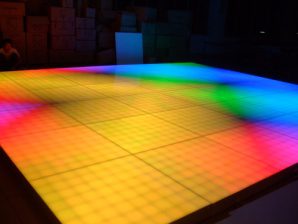
What are the benefits of using a LED digital dance floor, such as the RG-DDF56S125-V8?
A LED digital dance floor, such as the RG-DDF56S125-V8, provides a unique and engaging visual experience for the audience. It is also energy-efficient and durable, making it a popular choice for live shows and events.
How do I inspect a LED digital dance floor?
To inspect a LED digital dance floor, check for signs of wear and tear, damage, or corrosion. Ensure that all LEDs are functioning properly, and that the floor is properly secured to the rigging system.
| Model | Configuration | EXW Price |
|---|---|---|
| DG-LS52F-200 | Single Hook Clamp | $6.05 |
| DG-LS52F-400 | Double Hook Clamp | $10.89 |
| TS-WJHZB156X107X50-W30 | Single Hook Clamp with Connecting Piece | $9.68 |
| BX-L1F65x50T28-W | Safety Bar | $12.1 |
For more information on the DG-LS52F-200 and TS-WJHZB156X107X50-W30, please visit our website.
Next, review the rigging hardware inspection checklist to ensure that all components are in good working condition before the show.
Frequently Asked Questions
What is the purpose of a safety bond in rigging?
A safety bond is used to secure the load to the rigging system, preventing it from falling or shifting during the show. It is an essential component of the rigging hardware and should be inspected regularly.
How often should I inspect my rigging hardware?
Rigging hardware should be inspected before every show to ensure that it is in good working condition. This includes checking for signs of wear and tear, damage, or corrosion.
What are the key considerations when choosing a clamp?
When choosing a clamp, consider the type of load, the weight capacity, and the material of the clamp. For example, the DG-LS52F-200 Single Hook Clamp has a weight capacity that should be considered when selecting a clamp for a specific application.
Can I use a coupler with a safety bond?
Yes, couplers can be used with safety bonds to provide an additional level of security. However, it is essential to ensure that the coupler is compatible with the safety bond and the rigging system.
How do I determine the right size and configuration for my rigging hardware?
To determine the right size and configuration for your rigging hardware, consider the specific requirements of your show, including the type of load, the weight capacity, and the available space. Consult the manufacturer's specifications and seek professional advice if necessary.
Need help choosing fixtures for your project? Tell us the venue type and room size — we'll spec it for free.
Request a Free Rig Spec →